
The Origin of
Stillness
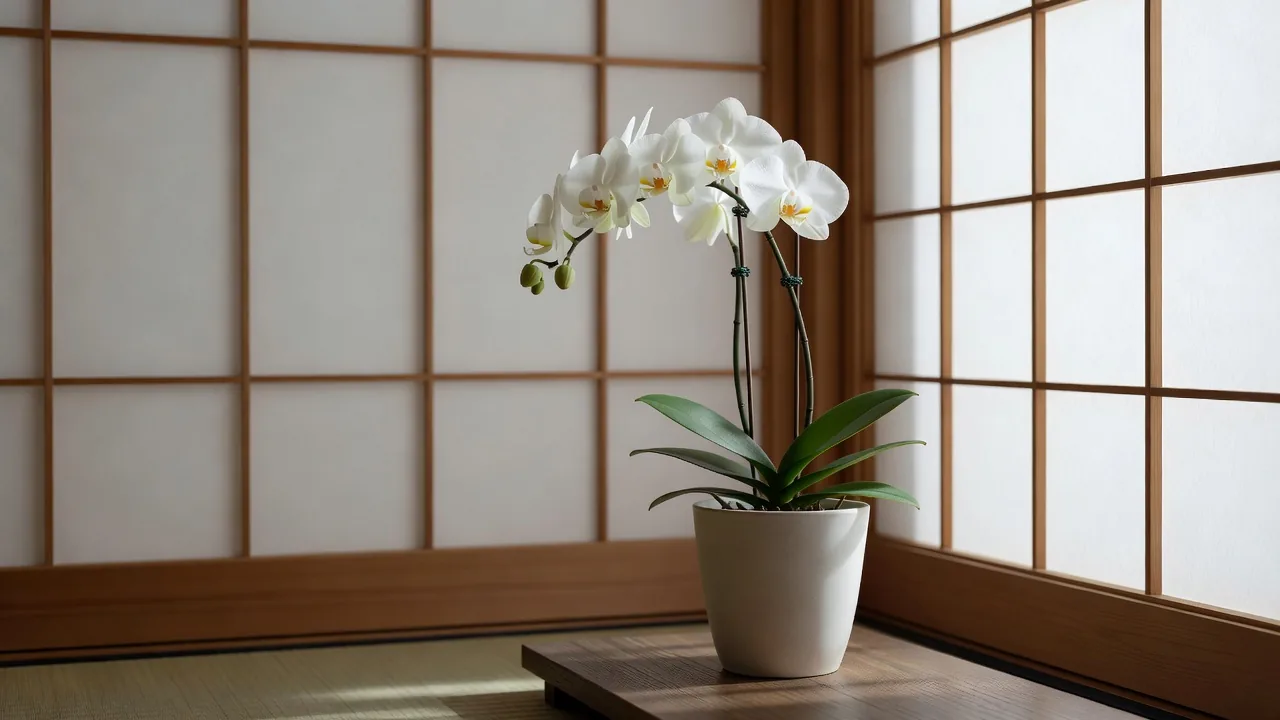
Hornet Squad began not as a nursery, but as a discipline. A pursuit to understand the delicate language of roots, soil, and shadow. It is an homage to the ancient traditions of Kyoto's enclosed gardens, adapted for the modern indoor sanctuary.
守破離
The Path of Mastery
In traditional Japanese arts, the path to mastery follows three stages: Shu (obey), Ha (detach), and Ri (transcend). We apply this profound philosophy to the art of cultivating indoor life.
1. Shu (Obey)
We begin by rigorously learning the fundamentals of nature. Understanding the specific light, soil, and hydration needs of each plant. We do not force our will upon the plant; we obey its intrinsic nature.
2. Ha (Detach)
Once the rules are internalized, we begin to experiment with form. Pruning to reveal the inner structure, selecting unconventional ceramic vessels, and challenging traditional expectations of indoor gardening.
3. Ri (Transcend)
The final stage. The plant and the environment become one seamless expression of art. The cultivator acts on intuition. The space itself achieves a state of Wabi-Sabi—quiet, unpretentious beauty.
The Workshop
Dirt, Discipline, and Time
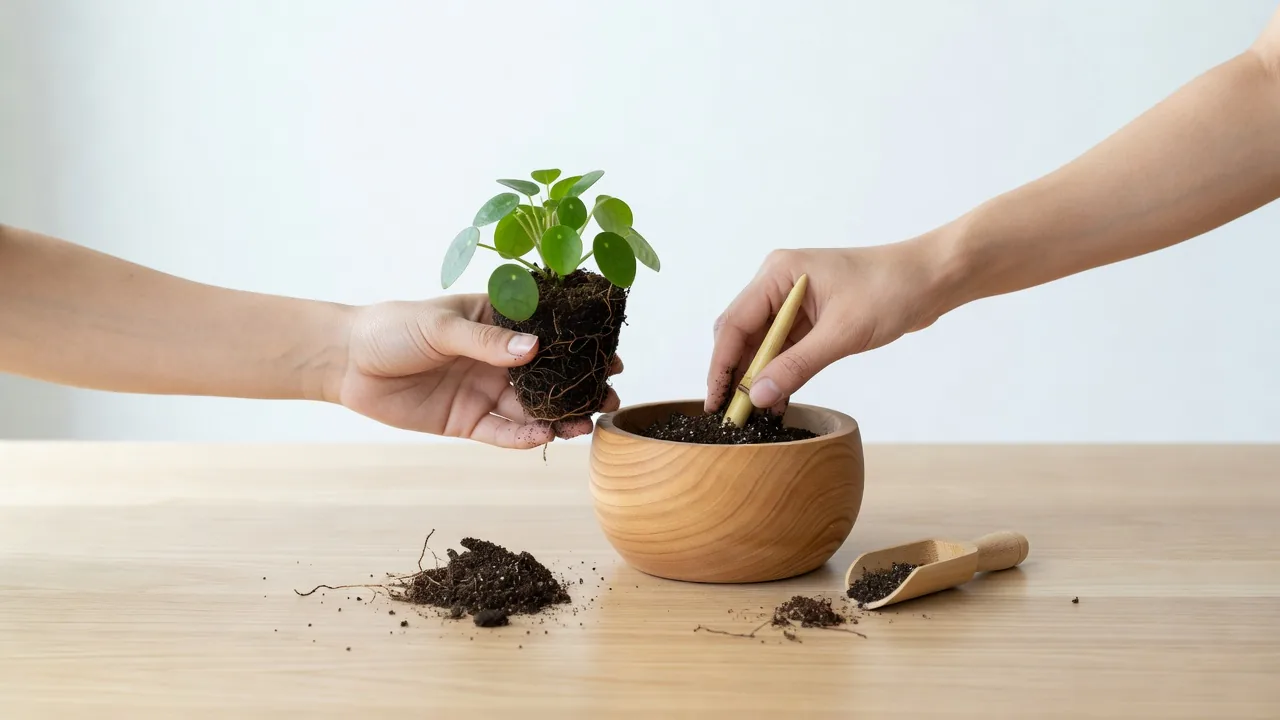
Step into our studio, and you will smell the damp earth, the aged cedar, and the sharp scent of cut foliage. Here, we mix our own soils—blending akadama, pumice, and organic compost—to recreate the diverse terroirs of the world's forests within a glazed pot.
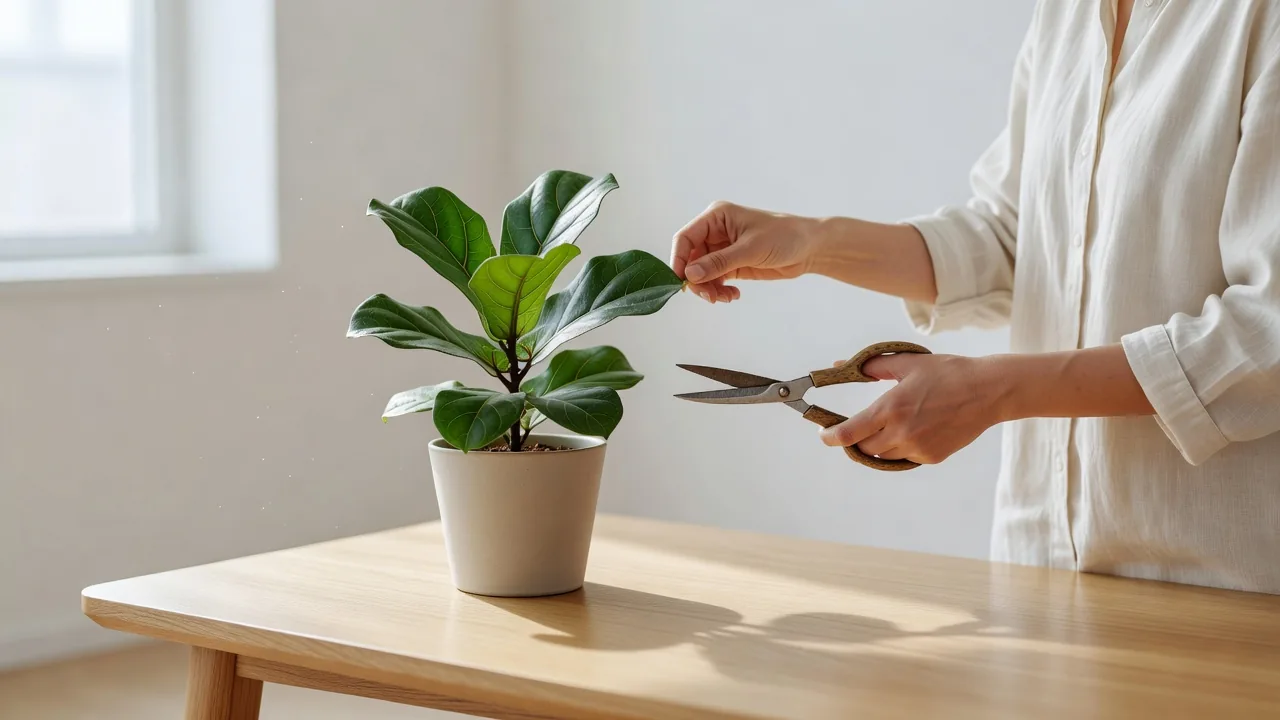
We use traditional Japanese forged scissors (Hasami) for their precision, ensuring clean cuts that heal quickly. Every tool is respected; every motion is deliberate.
"Patience is not simply waiting. It is how we behave while we wait for the roots to take hold."
吾唯足知 (I learn only to be content)
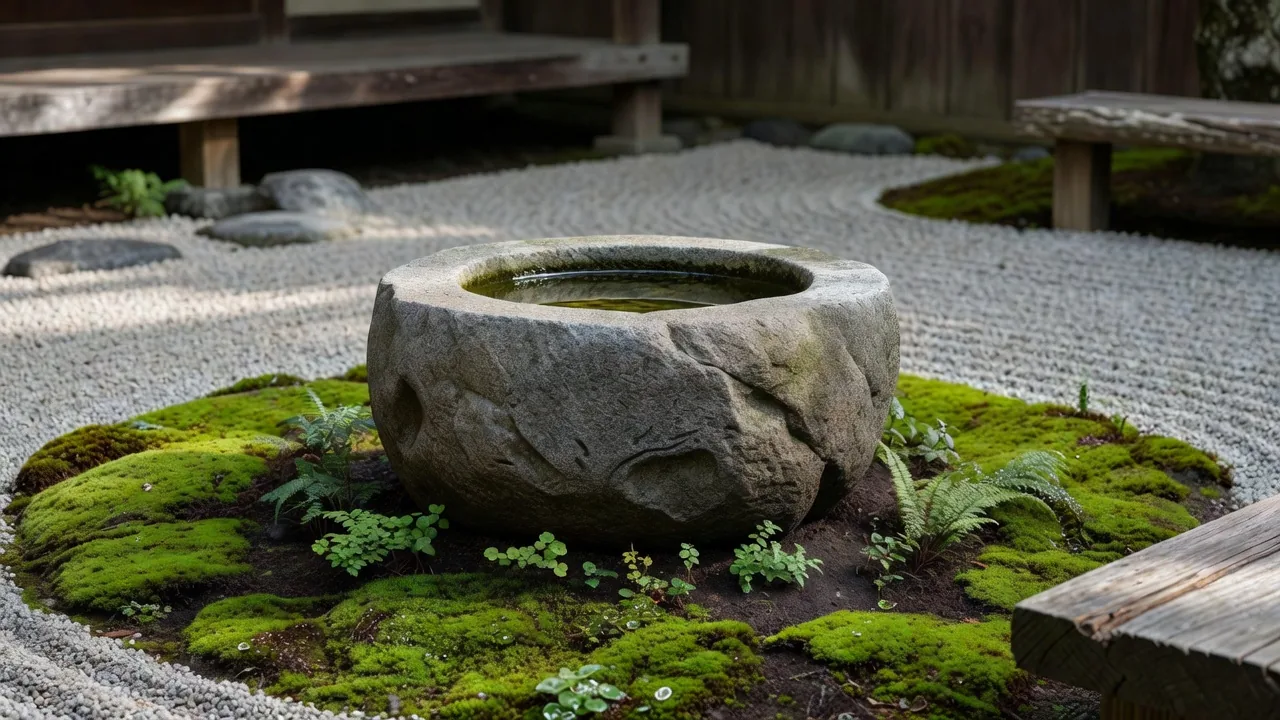
Engraved on the stone basins of Kyoto's Ryoan-ji temple are four characters that translate to: "I learn only to be content." At Hornet Squad, we believe that true wealth is found not in acquiring more, but in deeply appreciating the quiet life that unfolds in a single ceramic bowl on your windowsill.